
Cat6 Network Cabling Seattle projects start with the connections your property actually needs: reliable Ethernet outlets, wired access points, IP cameras, and an organized place to connect everything. Choosing a cable category matters, but routing, termination, testing, and documentation determine whether the finished installation is dependable.
For a Seattle home office, retail space, or commercial building, the right design connects today’s devices while allowing sensible room for expansion. This guide explains when Cat6 is appropriate, when Cat6A deserves consideration, and what to request before approving an installation.
What Does a Cat6 Installation Include?
Structured cabling connects fixed locations to a central equipment area through planned cable routes. Instead of running loose cables between rooms, each outlet receives an identifiable connection that can be maintained and reassigned.
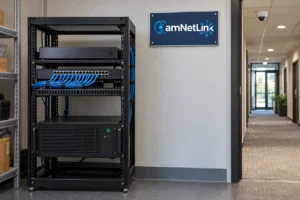
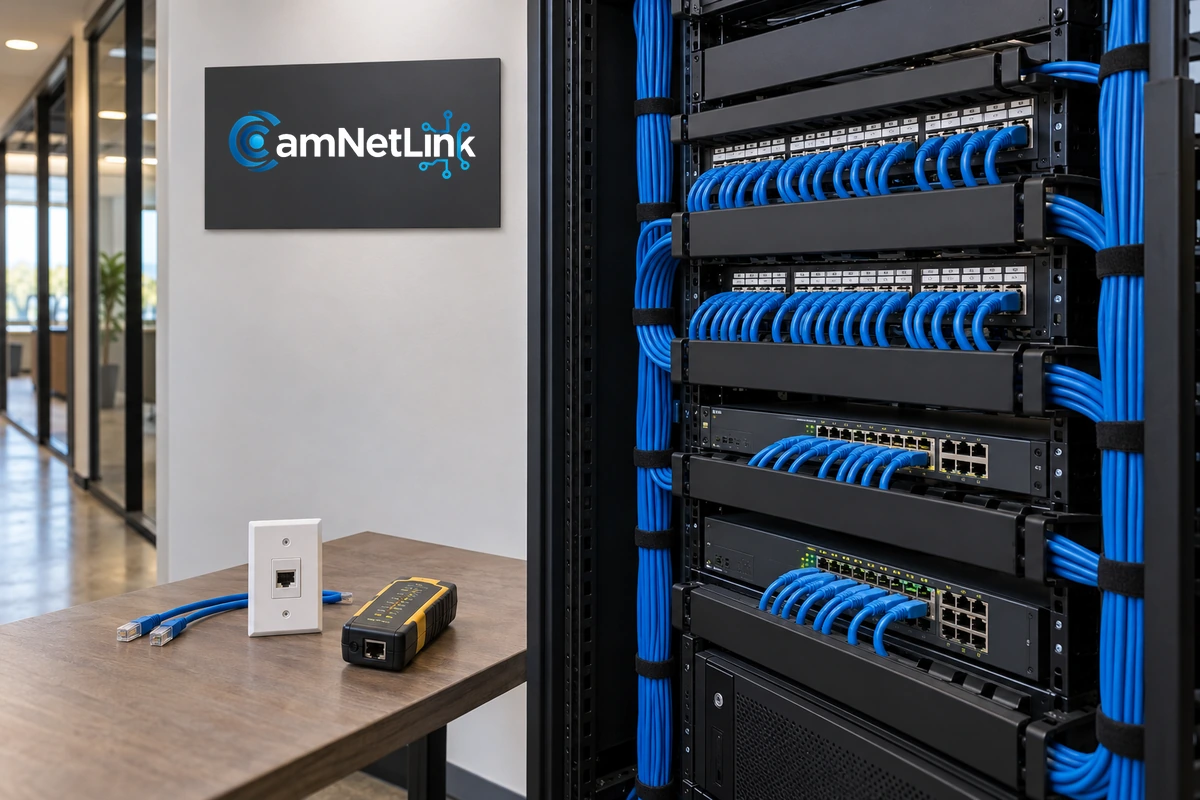
A typical scope may include permanent cable runs, data outlets, patch panels, rack organization, patch cords, labeling, and an agreed level of testing. Switches, routers, access points, and cameras are separate equipment items unless the proposal expressly includes them.
CamNetLink’s network cabling and outlet installation services cover structured cabling, data outlets, patch panels, and related network equipment setup. Confirm the exact deliverables for your property in the project estimate.
Cat6 or Cat6A: Which Should You Choose?
The useful question is not which category sounds most advanced. It is what your network must support over the planned cable distance.
For conventional standards-based channels, properly installed Cat6 supports Gigabit Ethernet up to 100 meters, including patch cords. Cat6A is designed to support 10GBASE-T over that same maximum channel length. Cat6 may support 10GBASE-T over shorter distances, but suitability depends on the installed channel and interference between cables; a blanket full-distance 10-gigabit promise is inappropriate.
- Consider Cat6 when the intended applications and distances fit its capabilities and the installation meets the required performance.
- Consider Cat6A when new cabling must support 10-gigabit connections over longer standard channel distances.
- Evaluate fiber when the route, building layout, or distance calls for a different approach.
Connectors, patch panels, and patch cords also affect the finished channel. Buying a higher-category cable does not upgrade every other component automatically.
Plan Outlets Around Real Working Locations
Start with a device list and floor plan. Mark desks, printers, access points, camera positions, meeting rooms, and equipment locations. Include devices that may need both network connectivity and power.
Home Offices
A wired outlet can provide a direct connection for a desktop, docking station, or other compatible device. Consider the final desk position and whether a second outlet would be useful. Avoid placing a connection where furniture will make it difficult to reach.
Offices and Commercial Spaces
Plan around workstation layouts, shared equipment, meeting areas, and possible moves. In an occupied business, discuss permitted working hours and interruptions before installation begins.
Wi-Fi Access Points
An Ethernet connection can support an access point’s wired backhaul and, with compatible equipment, its power supply. The access point location should follow coverage requirements rather than whichever cable route is easiest. Its uplink speed and power needs should inform the cabling and switch selection.
How Cat6 Cabling Supports IP Security Cameras
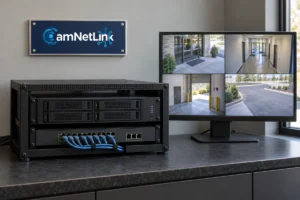
Many IP cameras use Ethernet to carry video and Power over Ethernet, or PoE, to receive power through compatible network equipment. A cable fault can interrupt the camera connection even when the camera and recorder are functioning.
For a project combining network work with security camera installation in Seattle, coordinate cable routes with the approved camera positions. This prevents network convenience from determining a camera view that does not meet the surveillance objective.
Assess each camera’s power requirements, switch capacity, route length, and environmental exposure. A cable category alone does not establish whether the complete PoE installation will operate reliably.
Cable Routes, Distance, and Equipment Locations
Measure the actual route, including vertical travel and the path around building features. A straight-line floor-plan measurement can underestimate the installed length.
A common structured-cabling layout allows a 90-meter permanent link within a 100-meter channel. Patch cords consume part of the overall allowance. The applicable design may require further consideration of temperature, components, and installation conditions.
If a location is too far from the equipment area, assess an additional network location or a suitable fiber design. Adding an improvised join is not a substitute for evaluating distance and performance.
The equipment area should offer suitable access, ventilation, power, and space for cable management. Building access rules, cable ratings, routing restrictions, and any work on protected assemblies should be reviewed before the route is finalized.
Patch Panels, Labels, and Cable Management
A patch panel creates an organized termination point for permanent runs. Short patch cords then connect the selected ports to active equipment, allowing changes without repeatedly disturbing the installed cable.
Use matching identifiers at the outlet and patch panel, and include them in the handover record. Labels such as a room and outlet number are more useful than an undocumented sequence.
Good cable management keeps connections accessible, supports the cables appropriately, and avoids tight bends or crushing. Neat appearance is valuable, but it should accompany correct installation rather than conceal poor terminations.
What Does “Cable Tested” Actually Mean?
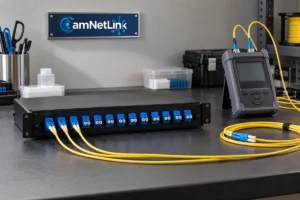
Ask which tests are included. Different tools answer different questions, and a successful basic check is not the same as certification of the installed cabling.
- Verification checks basic wiring, including whether conductors connect to the intended termination points.
- Qualification evaluates whether a link can support a specified network application or speed.
- Certification measures installed-link performance against a selected cabling standard and provides the corresponding test result.
Agree on the testing method and documentation before comparing estimates. If certification reports are required, make that an explicit deliverable. A laptop connecting successfully or a camera showing a live view does not establish category compliance.
A Practical Cabling Planning Example
Consider a small office planning several workstation outlets, two ceiling access points, and an entrance camera. This is an illustrative scenario, not a completed CamNetLink project.
- Identify each endpoint and its intended network speed and power requirements.
- Select a suitable equipment location and measure the proposed routes.
- Decide whether Cat6 meets the objectives or whether particular links justify Cat6A.
- Specify compatible outlets, patch-panel connections, and patch cords.
- Confirm switch ports and PoE capacity for the approved devices.
- Define labels, testing, and handover documentation.
This sequence connects the equipment decision to actual use. It also makes omissions easier to identify before installation starts.
What Affects Cat6 Installation Costs in Seattle?
Outlet count is only part of the price. A short, accessible run differs from a route through several building areas or a finished space requiring more careful access.
Ask the estimate to identify:
- Number and locations of permanent cable runs.
- Cable category and included termination hardware.
- Routing, access, and cable-protection work.
- Rack, patch-panel, and cable-management equipment.
- Testing level and report requirements.
- Active network equipment, configuration, and patch cords, if included.
- Scheduling, documentation, and any restoration responsibilities.
Compare proposals against the same scope. A lower price may exclude equipment or testing that another estimate includes.
Existing Cabling: Reuse or Replace?
Existing links may remain useful if their condition and tested performance meet the intended application. Check termination quality, damage, labeling, and compatibility before assuming replacement is necessary.
For a connection that repeatedly drops or negotiates below the expected speed, evaluate patch cords, terminations, network ports, and configuration as well as the permanent cable. Replacing every run without diagnosing the issue can leave the original problem unresolved.
Changes to network switches or internet service also do not automatically improve a deficient installed link. Assess the complete connection.
Cat6 Network Cabling Seattle: Handover Checklist
Before accepting the installation, confirm:
- All agreed outlets are installed at the approved locations.
- Outlet and patch-panel labels match the connection record.
- The specified tests have been completed and required reports supplied.
- Cable supports, accessible terminations, and equipment organization have been reviewed.
- Any included switches, access points, or cameras operate as agreed.
- Open items and support contacts are documented.
Keep the connection record accessible to whoever maintains the network. Update it when outlets or equipment assignments change.
Frequently Asked Questions
Will Cat6 make my internet service faster?
Cat6 can support a suitable wired connection, but it does not increase the speed purchased from your provider. Performance also depends on network equipment, device capabilities, and the connection being used.
Is Cat6A necessary for security cameras?
Not automatically. Review the camera’s network and power requirements, route distance, installation conditions, and expansion plans. Select the cable based on the complete design.
Can Ethernet cabling improve Wi-Fi?
It can provide wired backhaul to suitable access points. Wireless performance still depends on placement, radio conditions, configuration, client devices, and network capacity.
Can old Ethernet outlets be reused?
Potentially, if the installed links meet the intended requirements. Their label or apparent age alone is insufficient; assess condition and test performance.
Does a working connection mean the cable is certified?
No. A working device demonstrates connectivity under the observed conditions. Certification requires the appropriate instrument, selected test standard, and recorded results.
Plan Your Seattle Network Cabling Project
CamNetLink installs structured network cabling, data outlets, patch panels, and related network equipment for residential and commercial properties in Seattle and surrounding communities.
For Cat6 Network Cabling Seattle, prepare a list of device locations, expected applications, and any existing infrastructure you would like assessed. A clear scope helps the installation team recommend appropriate routes, components, and testing.
Contact CamNetLink for a network cabling estimate, or call (206) 886-4953.